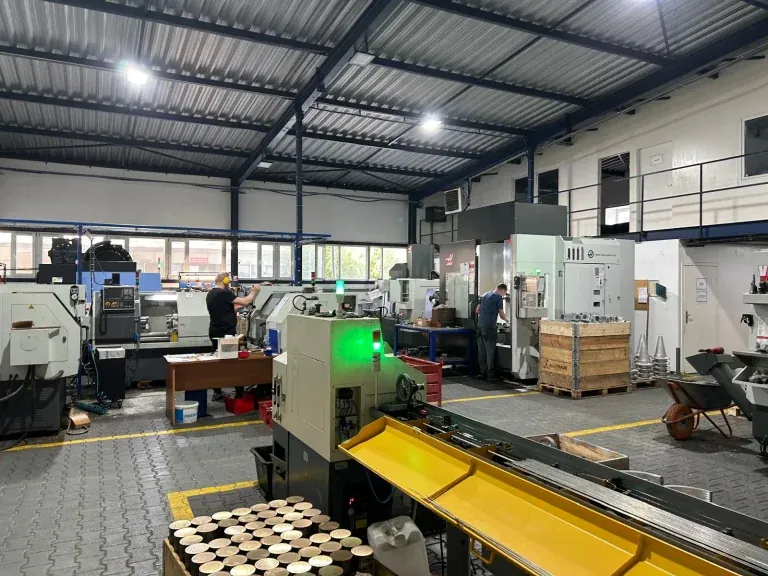

Machining of Aluminum Castings
How to Reduce Tool Wear When Machining Aluminum?
Table of contents (6)
Machining aluminum is a real challenge, especially when you want to reduce tool wear. Have you ever wondered how to do it effectively? Aluminum is an exceptional material — lightweight, yet requiring a specialized approach. In this article, we explain how to limit tool wear, which translates into cost savings and better production quality.
The foundation of any efficient machining operation is selecting the right tools. Imagine trying to eat soup with a fork — it won't work. Likewise, using the wrong tools for aluminum can lead to rapid wear. It is worth investing in tools made of wear-resistant materials such as cemented carbide. This not only extends tool life but also improves machining quality.
Machining parameters such as cutting speed and feed rate have a huge impact on tool wear. Did you know that cutting too fast can overheat the tool? That is why it is essential to adjust the parameters to the specific material. Optimizing these values is like finding the perfect oven temperature — too high and the cake burns, too low and it won't bake.
When machining aluminum, cooling and lubricationare also important. Imagine running a marathon without water — it is not only inefficient but also dangerous. Likewise, proper cooling systems can significantly reduce friction and heat, leading to less tool wear. Using the right lubricants is the key to success.
Protective coatings on tools are like armor for a knight. They protect against wear and increase machining efficiency. Thanks to them, tools become more resistant to high temperatures and abrasion, which is particularly important when working with aluminum.
We also cannot forget regular maintenance and inspection of tools. It is a bit like servicing a car before a long trip — prevention is better than repair. Systematic checks of tool condition allow early detection of potential problems, which prevents premature wear and improves the quality of the aluminum machining process.
In summary, reducing tool wear when machining aluminum is achievable through proper tool selection, optimized parameters, effective cooling, protective coatings, and regular maintenance. These measures not only save money but also improve production efficiency and the quality of the final product. Remember that every detail matters, and investing in quality always pays off.
Choosing the right tools
Choosing the right tools for machining aluminum is key to reducing tool wear and improving the quality of the final product. Have you ever wondered why some tools last longer than others? It is like choosing the right running shoes — not every model suits every route.
When machining aluminum, hardness i durability tools are key factors. When selecting tools, pay attention to the materials they are made of. Carbide tools can be more wear-resistant than those made of high-speed steel. But that's not all! It is also important that the tools are properly matched to the specific machining operation you plan to perform.
It is also worth considering tools with protective coatings. Coatings such as TiN (titanium nitride) or TiAlN (titanium aluminum nitride) can significantly increase tool wear resistance. It is a bit like putting protective armor on the tool — it extends its life and efficiency.
Tool selection is also a matter of choosing the right cutting edge geometry. Appropriate rake and clearance angles can reduce cutting forces, which in turn reduces tool wear. It is like finding the ideal angle for slicing a cake — the wrong angle can make the cake fall apart, while the right one gives perfect slices.
In summary, choosing the right tools is the key to success in aluminum machining. It is not only a question of material, but also of geometry, protective coatings, and suitability for the specific job. When selecting tools, it is worth investing time in careful analysis and selection, because it is an investment that quickly pays off through savings and better product quality.
Optimizing machining parameters
Optimizing machining parameters is like finding the perfect cake recipe – everything must be in its place to achieve the best result. When machining aluminum, the key parameters are cutting speed i feed rate. Why do they matter so much? Imagine slicing bread too fast: the knife dulls and the slices come out uneven. The same applies to machining tools: excessive speed can lead to faster wear.
But how do you find the right balance? First, use the machining parameter chart supplied by the tool manufacturer. Such a chart lists recommended values for various materials and tools. Here is an example chart:
| Material | Cutting speed (m/min) | Feed rate (mm/rev) |
|---|---|---|
| Aluminum 6061 | 150-250 | 0.1-0.3 |
| Aluminum 7075 | 100-200 | 0.08-0.25 |
It is also worth experimenting with different settings in a controlled environment to find the optimal parameters for a specific process. Keep in mind that optimization is not only about saving tools, but also about improving machining quality and reducing scrap.
Nor should we forget the importance of monitoring the process. Sensors and monitoring systems make it possible to track tool wear continuously and adjust parameters in real time. This helps us avoid unpleasant surprises and ensures that the machining process runs as efficiently as possible.
In summary, optimizing machining parameters is the key to success. As with any recipe, precision and experience count. With the right choice of speed and feed rate, our tools will last longer and product quality will be at the highest level.
Cooling and lubrication
Did you know that when machining aluminum, temperatures can rise to dangerous levels? It is like driving a car without air conditioning on a hot day: unpleasant and potentially harmful. That is why cooling and cooling i lubrication are crucial in the machining process. Without adequate cooling, tools can overheat, which leads to faster wear. But how do you choose the right cooling system?
Various cooling systems are available on the market, from traditional coolants to advanced mist cooling systems. The right choice depends on the specifics of your production. It is worth investing in systems that are not only effective but also environmentally friendly. Think of it as choosing the right drink for a hot summer: you want something that not only cools you down but also does no harm to your health.
The same goes for lubrication. Proper lubrication reduces friction between the tool and the material, which not only extends tool life but also improves machining quality. Lubricants can work like a magic elixir that keeps everything running smoothly. But which lubricants are best for aluminum?
Synthetic lubricants are worth considering, as they are more resistant to high temperatures and have better lubricating properties. You can also use water-based lubricants, which are more environmentally friendly. Think of lubricant as a lotion for dry hands: you choose the one that best suits your needs and the conditions you work in.
In summary, proper cooling i lubrication is the key to reducing tool wear when machining aluminum. It is an investment that pays off, both financially and in terms of quality. Remember that well-chosen cooling and lubrication systems can significantly affect the efficiency of your production, just as a well-chosen diet affects your health.
Protective Coatings
One of the key ways to extend tool life when machining aluminum is to use protective coatings. But what does that actually mean? Imagine your tools are like warriors on a battlefield. Without proper protection, they wear out quickly and lose their effectiveness. Protective coatings act like armor, shielding tools from intense wear.
Why invest in protective coatings? First of all, these coatings increase abrasion resistance, which is crucial when machining materials such as aluminum. As a result, tools can run longer without frequent replacement. This saves not only money but also time that can be spent on other, more productive tasks.
Which coatings are available on the market? Here are a few popular options:
- Titanium coatings – known for excellent heat and abrasion resistance.
- Diamond coatings – offer the highest level of hardness, ideal for the most demanding applications.
- Ceramic coatings – characterized by high resistance to corrosion and oxidation.
Using protective coatings is not only about protecting tools, but also about improving the quality of the machining process itself. As a result, we can achieve a better surface finish, which is invaluable in industries that demand precision and aesthetics.
In summary, investing in protective coatings is a step toward more efficient and economical production. It is like buying insurance for your tools: you may not see the benefits right away, but in the long run it will certainly pay off. Are you ready to invest in the future of your production?
Regular Tool Maintenance and Inspection
Regular tool maintenance and inspection is like regular dental checkups for our teeth. It may seem time-consuming, but in the long run it brings enormous benefits. Have you ever wondered why some tools last longer than others? The answer lies in regular maintenance.
First and foremost, systematic inspection of tools allows early detection of any signs of wear or damage. It is like spotting a fault in your car before it becomes a serious problem. This helps you avoid costly repairs or tool replacement. Regularly checking blades, holders and other tool components allows them to work longer and more efficiently.
What's more, maintenance is not only about repair, but also about prevention. Keeping tools clean and properly lubricated is the key to their longevity. Think of a tool as an athlete who needs the right diet and training to reach peak form. Likewise, tools require constant care to perform at the highest level.
It is also worth paying attention to the maintenance schedule. Putting together a plan that includes regular cleaning, lubrication and inspection is like having a calendar full of important dates. That way you will not forget any important step. To make this process easier, you can use a table to help track maintenance deadlines and tasks.
| Task | Frequency | Date last performed |
|---|---|---|
| Tool cleaning | Weekly | 01.10.2023 |
| Lubrication | Every two weeks | 25.09.2023 |
| Blade inspection | Monthly | 15.09.2023 |
With regular tool maintenance and inspection, you not only extend tool life but also improve the quality of aluminum machining. It is an investment that pays off many times over, much like saving for retirement. Remember that well-maintained tools are the key to success in any industry. Do not let neglect undo your efforts.
Frequently Asked Questions
What tools are best for machining aluminum?
The choice of tools depends on the specifics of the job, but in general, carbide tools are often recommended for their durability and efficiency. It is important to match tools properly to the type of machining and the material, which can significantly reduce tool wear.
How can I optimize machining parameters to reduce tool wear?
The key is to match cutting speed and feed rate to the tool and material specifications. Machining too fast can lead to excessive wear, while machining too slowly can reduce efficiency. Finding the happy medium is like walking a tightrope: it takes precision and experience.
Do cooling and lubrication really help reduce tool wear?
Yes, proper cooling and lubrication systems can significantly reduce friction and heat, which leads to less tool wear. It is a bit like oiling a squeaking machine: everything runs more smoothly and lasts longer.
What are the benefits of protective coatings on tools?
Protective coatings increase tool wear resistance, which extends tool life and improves machining performance. It is like adding armor to a tool: it becomes more durable and effective in use.
Why is regular tool maintenance so important?
Regular tool maintenance and inspection is the key to avoiding premature wear. It is a bit like regular car servicing: it prevents breakdowns and keeps everything in top condition. As a result, the aluminum machining process is more efficient and less costly.
Author: Poznań Foundry team
Poznań Foundry is a brand of Adjatech Metalworking Sp. z o.o., a family-owned non-ferrous foundry in Poznań. The Brukwicki family has been in foundry pattern making since 1950. We cast aluminum alloys in permanent molds, in sand molds and by high-pressure die casting; we machine the castings on CNC machines and powder coat them. We operate under ISO 9001 and ISO 14001 management systems (TÜV Rheinland Polska certificates).